Last updated:
Explore the summer capital of Kashmir, where pristine lakes meet magnificent gardens and ancient temples tell stories of timeless beauty
Srinagar, the jewel of Kashmir and its summer capital, sits gracefully on the banks of the Jhelum River, surrounded by the majestic Himalayas. Known for its pristine lakes, magnificent Mughal gardens, traditional houseboats, and vibrant floating markets, Srinagar offers an enchanting blend of natural beauty and rich cultural heritage that has captivated travelers for centuries.
From the iconic Dal Lake with its colorful shikaras to the stunning Tulip Garden that blooms with millions of flowers, every corner of Srinagar tells a story of paradise on earth. Whether you're seeking romantic moments on houseboats, spiritual solace in ancient temples, or cultural immersion in Mughal architecture, Srinagar provides experiences that create lasting memories.
Best time to visit Srinagar: March to October; the Tulip Garden blooms from late March to April. See our full best time to visit Kashmir guide.
1. Dal Lake - The Jewel of Srinagar
Dal Lake is the crown jewel of Srinagar, a pristine water body spanning 15 kilometers that perfectly reflects the snow-capped Pir Panjal mountains. This iconic lake is famous for its traditional houseboats, colorful shikaras, floating gardens, and vibrant floating markets that create a unique living ecosystem on water.
Shikara Rides
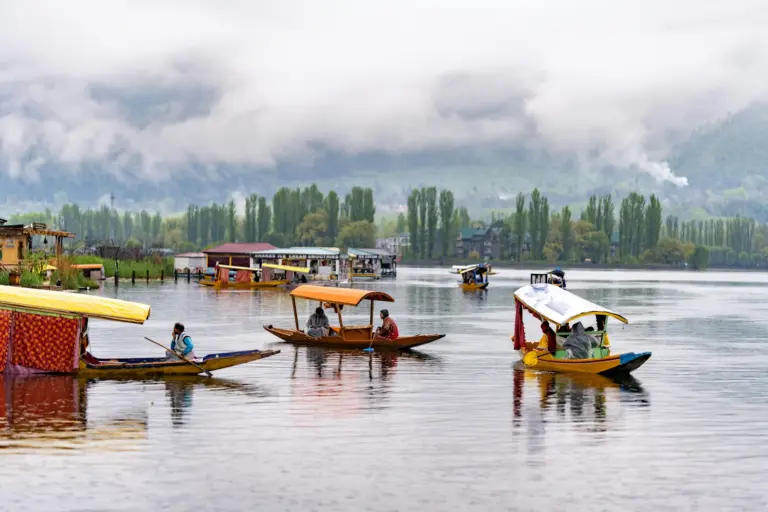
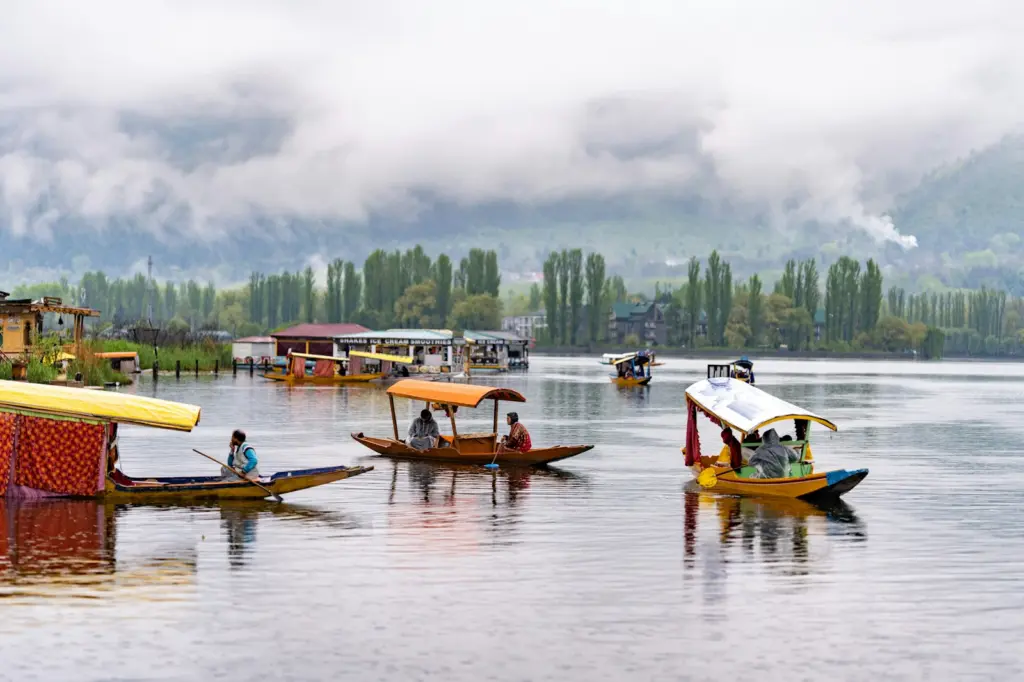
Experience the magic of Dal Lake aboard traditional shikaras - beautifully decorated wooden boats that glide silently through the crystal-clear waters. These rides offer breathtaking views of the surrounding mountains and gardens.
Houseboat Stay
Stay in traditional houseboats that float on the lake, offering a unique accommodation experience. These floating palaces feature intricately carved walnut wood interiors and provide an authentic Kashmir living experience.
Floating Markets
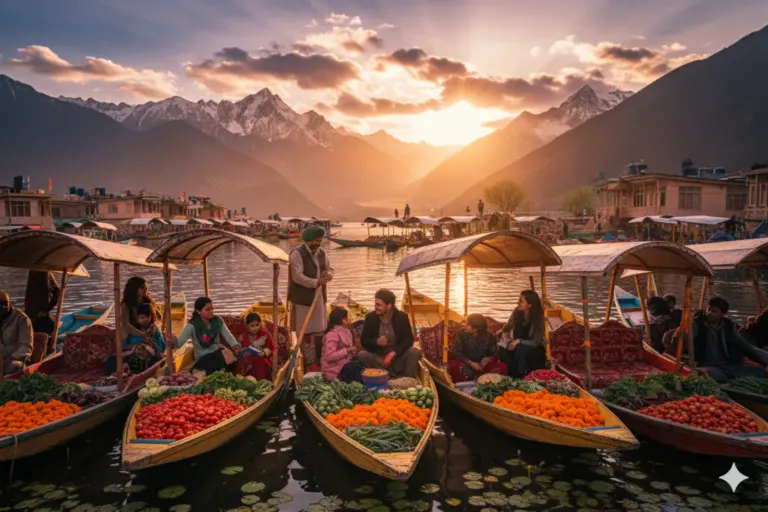
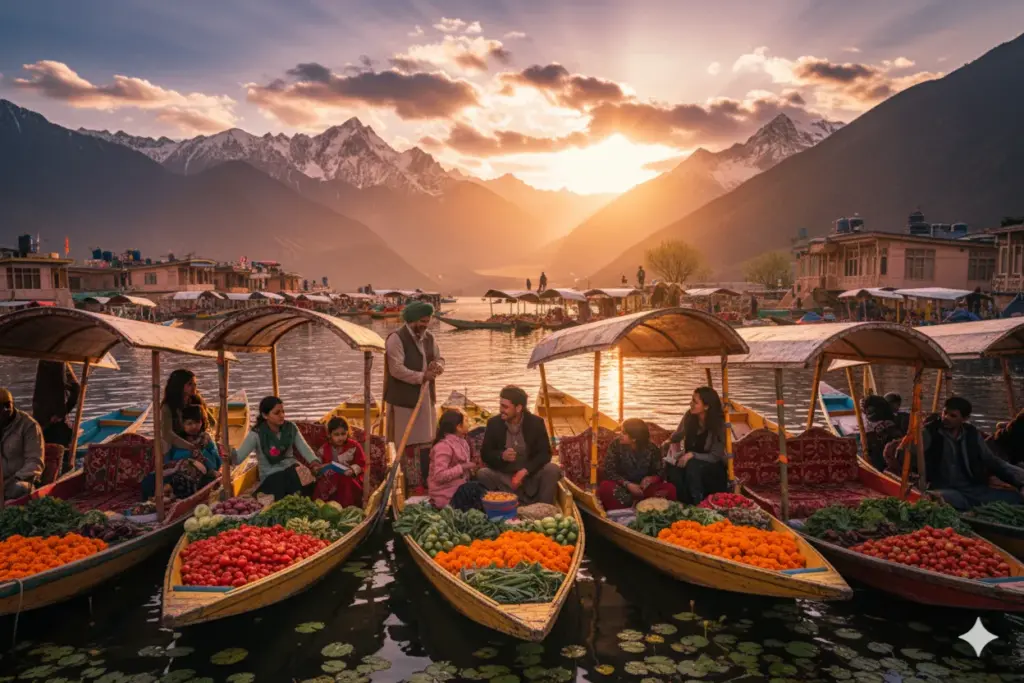
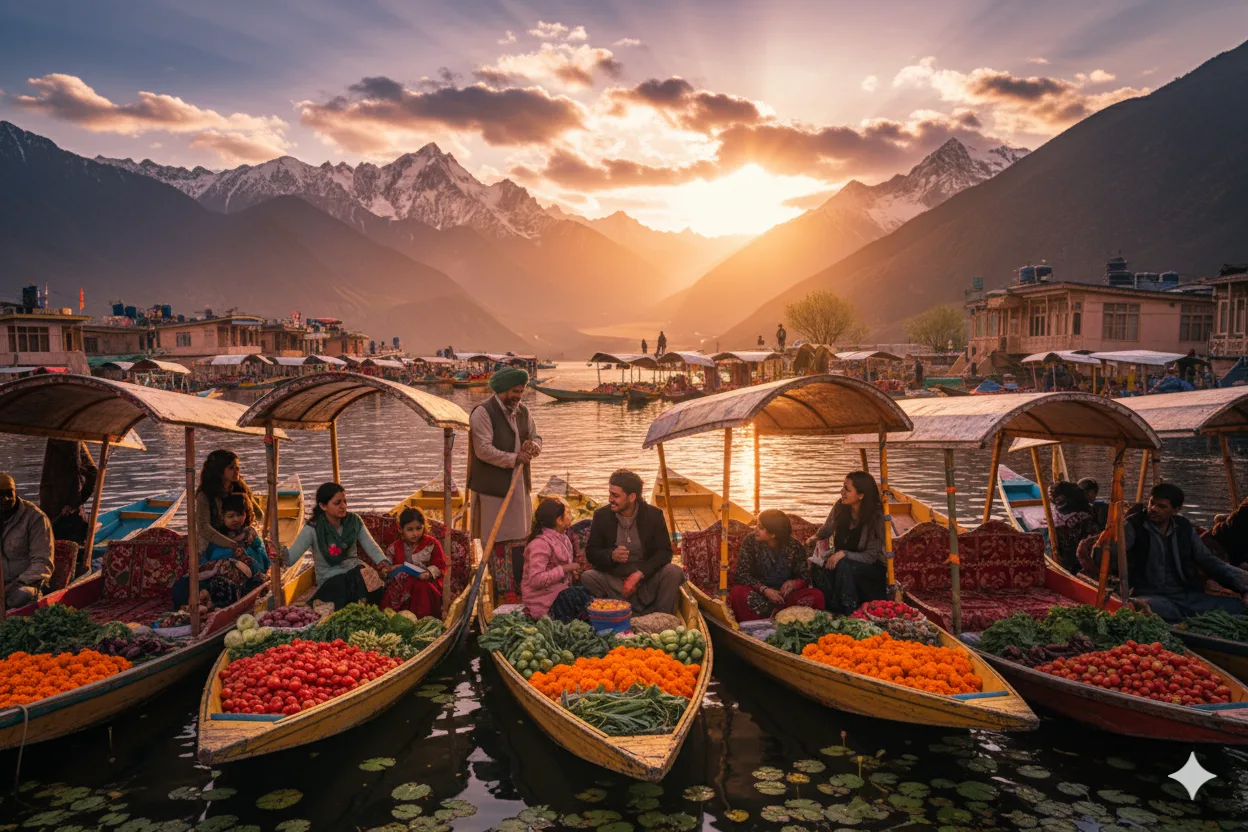
Witness the fascinating floating vegetable market where vendors sell fresh produce directly from their boats. This centuries-old tradition offers glimpses into the unique lifestyle of Dal Lake's inhabitants.
Floating Gardens
Marvel at the innovative floating gardens where locals grow vegetables on artificially created plots that float on the lake surface. These gardens showcase the ingenuity of Kashmiri people in adapting to their environment.
2. Indira Gandhi Memorial Tulip Garden
Asia's largest tulip garden spreads across 30 hectares in the foothills of the Zabarwan Mountains, showcasing over 68 varieties of tulips in a spectacular seven-terraced layout. During the blooming season, over 1.5 million tulips create a breathtaking carpet of colors that attracts visitors from around the world.
Tulip Festival
The annual Tulip Festival held between March and May is a celebration of spring's arrival in Kashmir. The garden comes alive with cultural performances, local handicraft displays, and photography exhibitions during this period.
Scenic Views
The garden offers panoramic views of Dal Lake on one side and the majestic Zabarwan Hills on the other. The terraced layout provides multiple vantage points for capturing the perfect photograph with the mountain backdrop.
Variety of Flowers
Beyond tulips, the garden features roses, hyacinths, daffodils, and other seasonal flowers. Each terrace is themed with different varieties, creating distinct color zones that complement each other beautifully.
Photography Paradise
The garden is a photographer's dream with its carefully planned color arrangements, mountain backdrops, and serene water features. Professional and amateur photographers alike find endless opportunities for stunning captures.
3. Shalimar Bagh - The Abode of Love
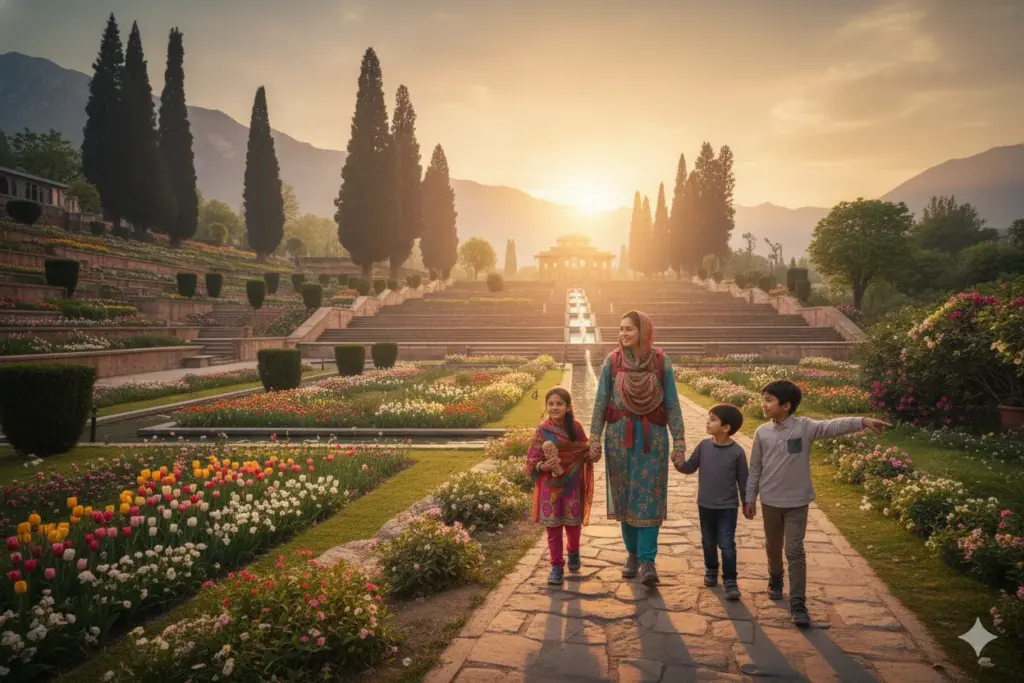
Shalimar Bagh, the largest Mughal Garden in Kashmir, was built in 1619 by Emperor Jahangir for his beloved wife Nur Jahan. Spread across 31 hectares, this magnificent garden represents the pinnacle of Mughal landscaping with its terraced layout, flowing water channels, and architectural brilliance that has withstood the test of time.
Mughal Architecture
The garden showcases classical Mughal design principles with its four terraced levels representing different themes - public garden, guest garden, and private garden. The symmetrical layout reflects the Mughal concept of paradise.
Water Features
A central water channel flows through the garden, fed by natural springs and adorned with beautiful fountains. The sound of flowing water creates a serene atmosphere throughout the garden complex.
Chinar Trees
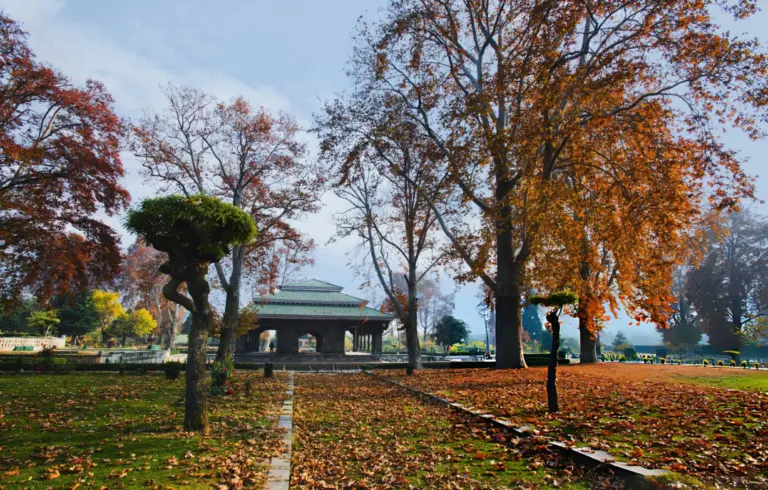
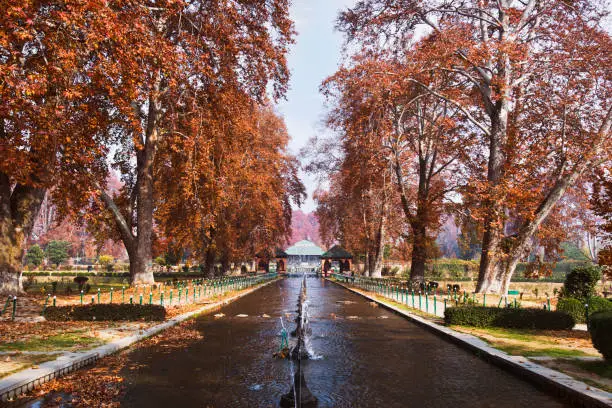
Majestic Chinar trees line the pathways, providing shade and changing colors with seasons. These centuries-old trees have witnessed the garden's rich history and continue to be its crowning glory.
Pavilions and Structures
Historic pavilions and structures within the garden showcase intricate Mughal craftsmanship. The black marble pavilion in the top terrace was the emperor's private retreat offering panoramic views.
Shalimar Bagh Experience
4. Nishat Bagh - The Garden of Bliss
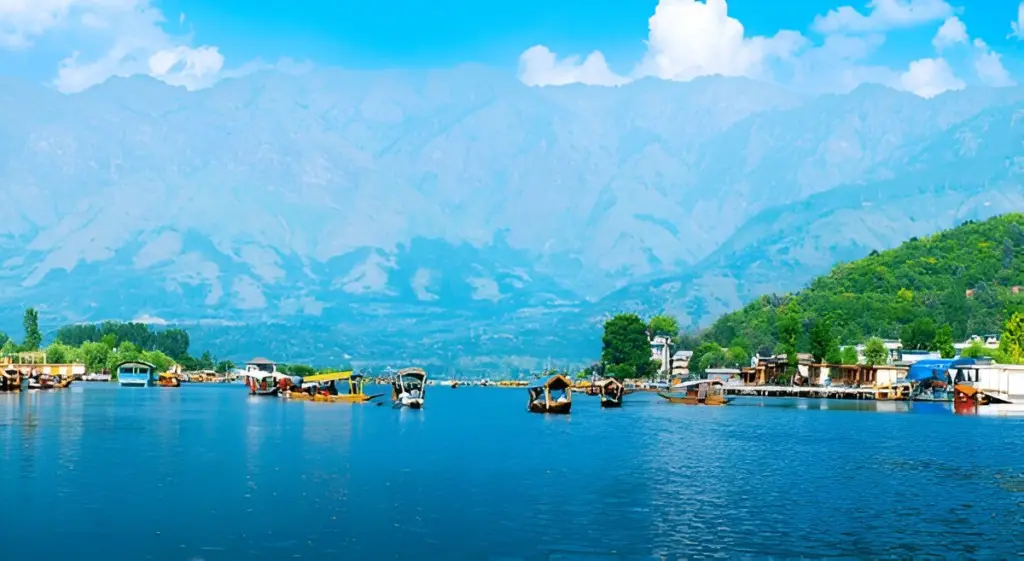
Nishat Bagh, known as the "Garden of Bliss," is the second-largest Mughal Garden in Kashmir, built in 1633 by Asaf Khan, brother of Nur Jahan. Located on the eastern shores of Dal Lake with the Zabarwan Mountains as its backdrop, this terraced garden offers one of the most picturesque settings in Srinagar with its twelve levels representing the zodiac signs.
Terraced Layout
The garden's twelve terraces descend gracefully toward Dal Lake, each level offering different perspectives and experiences. The terraced design maximizes the natural slope while creating distinct viewing areas.
Lake Views
Nishat Bagh offers uninterrupted views of Dal Lake, making it a favorite spot for sunset viewing. The garden's orientation provides perfect vantage points for photography enthusiasts and nature lovers.
Seasonal Beauty
Each season brings different charm to Nishat Bagh - spring blooms, summer greenery, autumn colors, and winter snow create distinct experiences throughout the year. The garden is particularly stunning during cherry blossom season.
Persian Influence
The garden showcases strong Persian architectural influences in its design and layout. The geometric patterns, water courses, and plant arrangements follow traditional Persian garden principles.
5. Shankaracharya Temple - Ancient Spiritual Heights
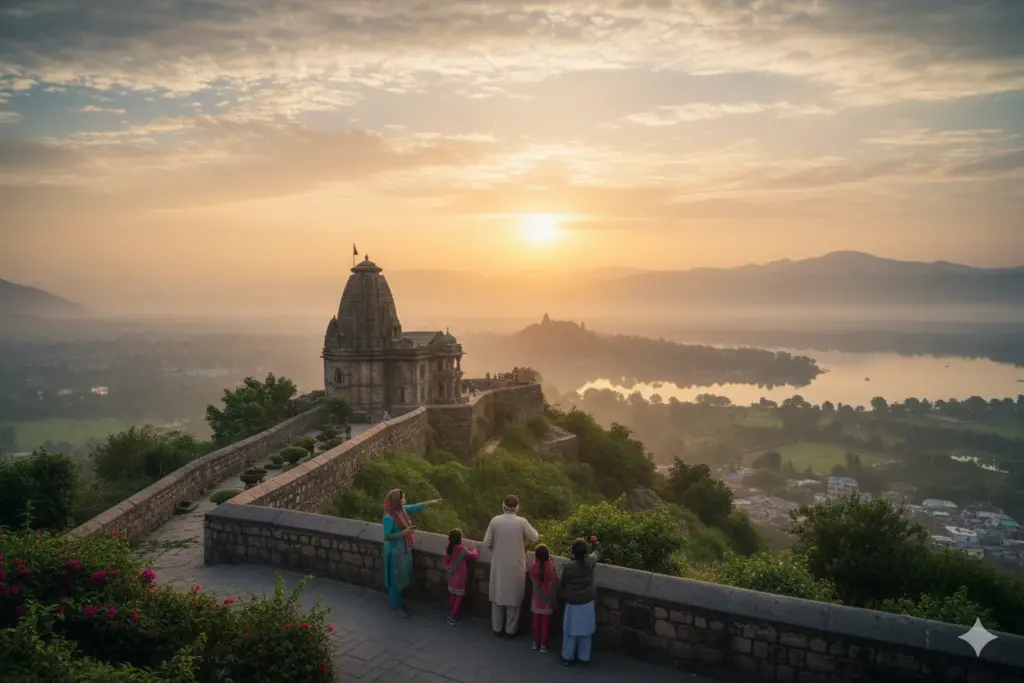
Perched atop Shankaracharya Hill at 1,100 feet above sea level, this ancient temple dedicated to Lord Shiva is one of Kashmir's oldest shrines. Named after the great philosopher Adi Shankaracharya who is believed to have attained enlightenment here, the temple offers panoramic views of Srinagar city and is accessible via 243 stone steps.
Panoramic Views
The temple provides breathtaking 360-degree views of Srinagar city, Dal Lake, and the surrounding mountain ranges. The vantage point offers perfect opportunities for capturing the entire valley in one frame.
Ancient Architecture
The temple showcases ancient Kashmir architecture with its stone construction and octagonal pillars supporting a Shiva Lingam encircled by a serpent. The structure has withstood centuries and natural calamities.
Spiritual Significance
As one of Kashmir's most revered spiritual sites, the temple attracts devotees and spiritual seekers from across India. The peaceful atmosphere and elevated location create an ideal environment for meditation and prayer.
Historical Importance
Also known as Jyeshteshwara Temple, this site has been mentioned in ancient texts and has archaeological significance. The temple represents the continuous spiritual tradition of Kashmir spanning over a millennium.
6. Hazratbal Shrine - The Sacred Relic
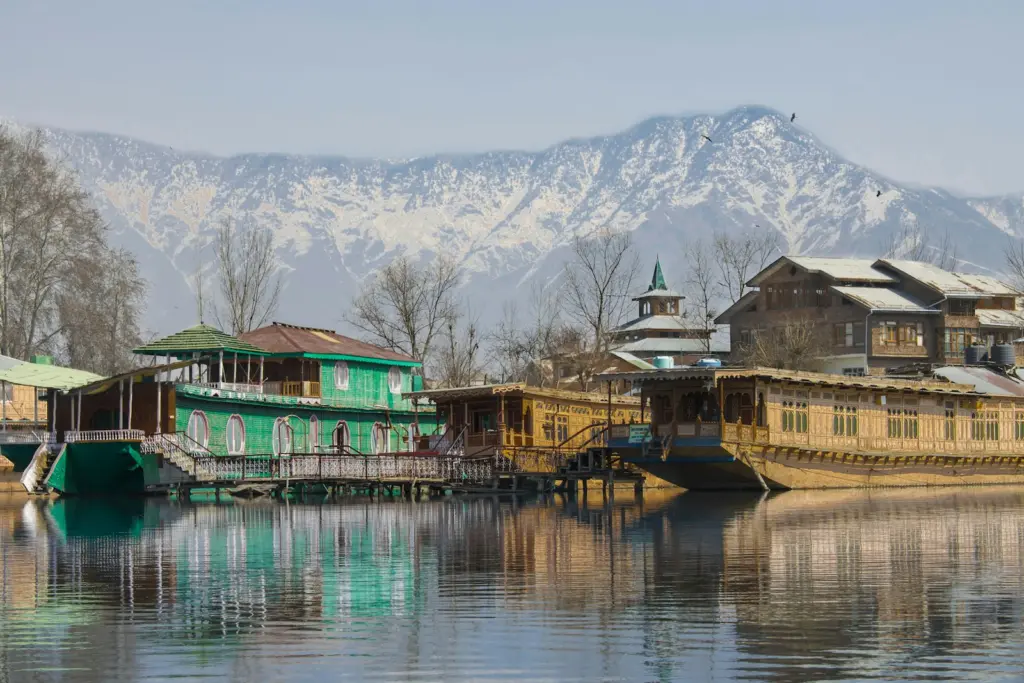
Located on the northern shores of Dal Lake, Hazratbal Shrine is Kashmir's holiest Muslim shrine, housing the sacred hair relic (Moi-e-Muqqadas) of Prophet Muhammad. The white marble structure with its distinctive dome and minarets creates a serene spiritual atmosphere against the backdrop of Dal Lake and surrounding mountains.
Sacred Relic
The shrine houses the Moi-e-Muqqadas, a sacred hair from Prophet Muhammad's beard, which is displayed to the public during special religious occasions. This relic has been preserved here for centuries and attracts pilgrims from across the world.
Architectural Beauty
The shrine's white marble architecture with its central dome and four minarets reflects traditional Islamic design principles. The structure's reflection in Dal Lake creates a mesmerizing sight, especially during sunset.
Religious Festivals
The shrine becomes the center of major Islamic celebrations, particularly during the Prophet's birthday and other significant occasions when thousands of devotees gather for prayers and ceremonies.
Peaceful Ambiance
The shrine's location on Dal Lake's shores provides a tranquil environment perfect for contemplation and prayer. The combination of spiritual significance and natural beauty creates a unique peaceful atmosphere.
Shrine Visit Guidelines
7. Pari Mahal - The Palace of Fairies
Pari Mahal, literally meaning "Palace of Fairies," is a seven-terraced garden palace perched on the Zabarwan mountain range above Dal Lake. Built by Dara Shikoh, the eldest son of Shah Jahan, this magnificent structure served as his residence, library, and observatory. The ruins today offer stunning panoramic views and showcase remarkable Mughal architectural remnants.
Seven Terraces
The palace is built on seven terraced levels, each serving different purposes in its heyday. The terraced design follows the natural slope of the mountain while providing distinct spaces for various activities including learning and astronomy.
Historical Significance
Originally built as a residence and center of learning, Pari Mahal was later dedicated to Dara Shikoh's Sufi teacher. The palace served as an important educational center for astronomy, astrology, and Islamic philosophy.
Panoramic Views
From its elevated position, Pari Mahal offers breathtaking views of Dal Lake, Srinagar city, and the surrounding Kashmir valley. The sunset views from here are particularly spectacular and attract photographers and nature lovers.
Garden Features
The palace gardens feature a variety of flowering plants, trees, and shrubs that bloom in different seasons. The terraced gardens create a beautiful ascending pattern against the mountain backdrop.
Pari Mahal Experience
8. Chashme Shahi - The Royal Spring
Chashme Shahi, meaning "Royal Spring," is the smallest but most charming of the Mughal Gardens in Srinagar. Built in 1632 by Ali Mardan Khan under Shah Jahan's orders, this three-terraced garden is famous for its natural spring that flows with crystal-clear water believed to have medicinal properties. The garden's compact size and pristine spring make it a unique jewel among Mughal architectural marvels.
Natural Spring
The garden's centerpiece is a natural spring discovered by the saint Rupa Bhawani. The spring water remains refreshingly cold even during summer and is believed to have healing properties, attracting visitors seeking its therapeutic benefits.
Three Terraces
The garden is designed in three distinct terraces with the spring originating from the top level where a double-story pavilion stands. Each terrace offers different perspectives of the garden and surrounding landscape.
Persian Design
The garden showcases classic Persian architectural influences with its geometric layout, water channels, and carefully planned flowerbeds. The design creates a perfect harmony between natural elements and human craftsmanship.
Zabarwan Views
Nestled in the foothills of the Zabarwan range, the garden offers stunning mountain views and overlooks Dal Lake. The elevated position provides excellent vantage points for photography and nature appreciation.
9. Nigeen Lake - The Jewel in the Ring
Nigeen Lake, connected to Dal Lake but maintaining its distinct character, is often called "The Jewel in the Ring" due to the ring of trees surrounding it. This pristine lake offers a more tranquil and less crowded alternative to Dal Lake while providing equally stunning scenery, luxury houseboats, and peaceful shikara rides surrounded by willow and poplar trees.
Tranquil Environment
Nigeen Lake offers a more peaceful and secluded experience compared to the busier Dal Lake. The quieter atmosphere makes it perfect for those seeking solitude and deeper connection with nature's beauty.
Luxury Houseboats
The lake is home to some of Kashmir's most luxurious houseboats offering premium accommodations with modern amenities while maintaining traditional charm. These floating hotels provide exclusive experiences on pristine waters.
Tree-lined Shores
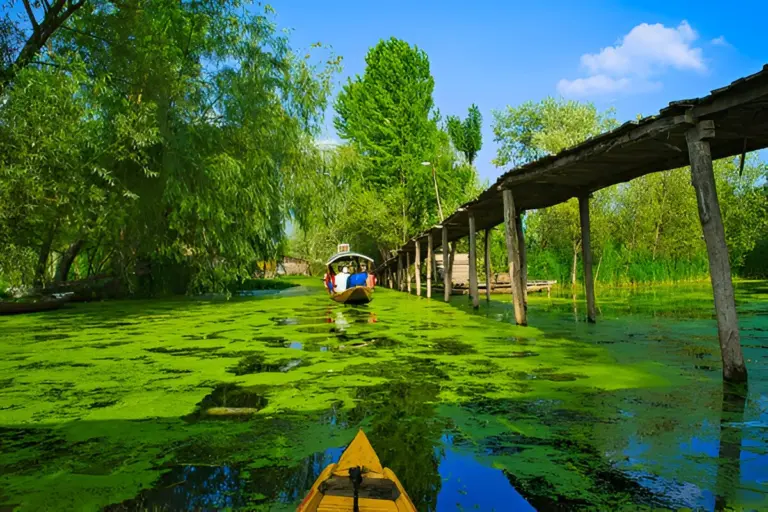
The lake is beautifully framed by tall willow and poplar trees that reflect in the clear waters, creating picture-perfect scenes throughout the day. The trees provide natural privacy and enhance the lake's serene atmosphere.
Water Activities
Enjoy peaceful shikara rides, water skiing, and fishing in the lake's calm waters. The less congested environment allows for better appreciation of water sports and leisure activities.
10. Char Chinar - The Four Noble Trees
Char Chinar, also known as Rupa Lank, is a small island in Dal Lake famous for the four majestic Chinar trees that stand at its corners, giving the island its name. Built by Murad Bakhsh, brother of Mughal emperor Aurangzeb, this charming island offers a unique perspective of Dal Lake and serves as a perfect picnic spot accessible only by shikara.
Four Chinar Trees
The island's four ancient Chinar trees, each positioned at a corner, create a natural pavilion that changes dramatically with seasons. In autumn, these trees transform into golden and red canopies, creating one of Kashmir's most photographed scenes.
Island Experience
Being completely surrounded by water, the island offers a unique perspective of Dal Lake and Srinagar city. The secluded location provides privacy and tranquility away from the mainland's hustle and bustle.
Seasonal Beauty
Each season brings distinct charm to Char Chinar - spring's fresh green leaves, summer's full canopy, autumn's golden colors, and winter's snow-covered branches create year-round photographic opportunities.
Picnic Destination
The island serves as a popular picnic spot for families and couples. The shaded areas under the Chinar trees provide perfect spots for relaxation while enjoying the surrounding lake views and mountain backdrop.
Best Time to Visit
- Summer (April-June): Pleasant weather, tulip blooms
- Monsoon (July-September): Lush greenery, occasional rains
- Autumn (October-November): Golden Chinars, clear skies
- Winter (December-March): Snow activities, frozen lakes
How to Reach
- By Air: Srinagar International Airport
- By Road: NH44 connects to major cities
- By Train: Nearest station Jammu Tawi (300km)
- Local Transport: Taxis, auto-rickshaws, buses
Where to Stay
- Houseboats: Dal Lake, Nigeen Lake
- Luxury Hotels: Dalgate, Boulevard Road
- Budget Options: City center, Residency Road
- Homestays: Local family experiences
Plan your Srinagar visit
Srinagar is part of most of our Kashmir tour packages. For drive times between Srinagar and the other hill stations, read the Srinagar to Gulmarg, Sonamarg and Pahalgam guide.
Official information: J&K Department of Tourism