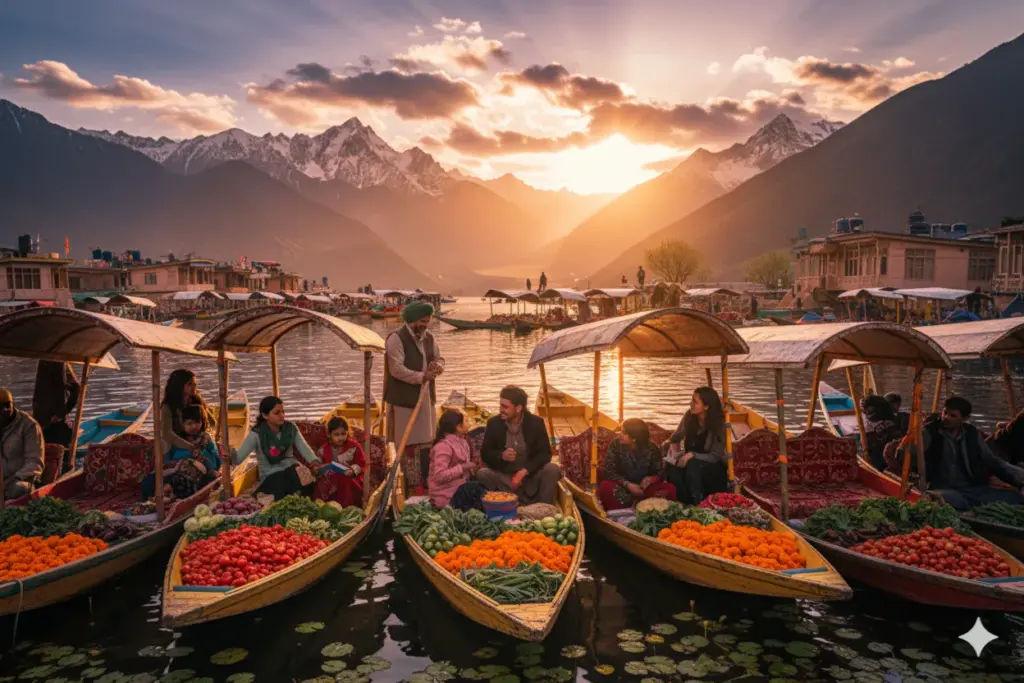
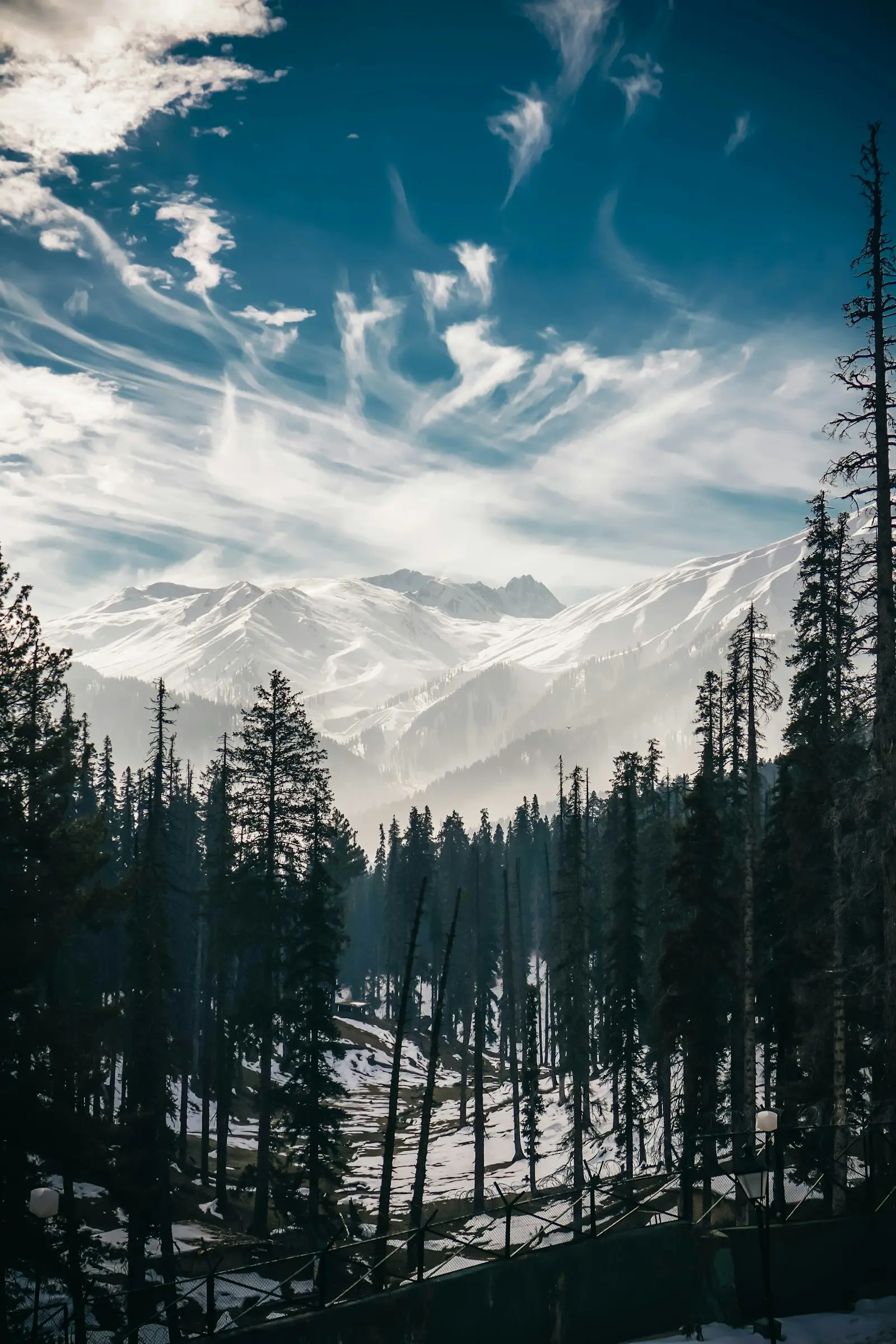
Snow is the number one reason many people plan a winter trip. Here's when and where you're most likely to find it.
Key takeaways
- Snowfall usually comes from December to February, with January the peak.
- Gulmarg is the most reliable place for snow.
- Snow lingers at Apharwat and Chandanwari into early summer.
- Srinagar gets occasional snowfall, but it doesn't always settle for long.
When does it snow?
Snowfall in the valley usually starts in December and continues into February, with January typically the peak. Early snow in November and late snow in March are possible but less reliable. Every winter is different.
Where to find snow
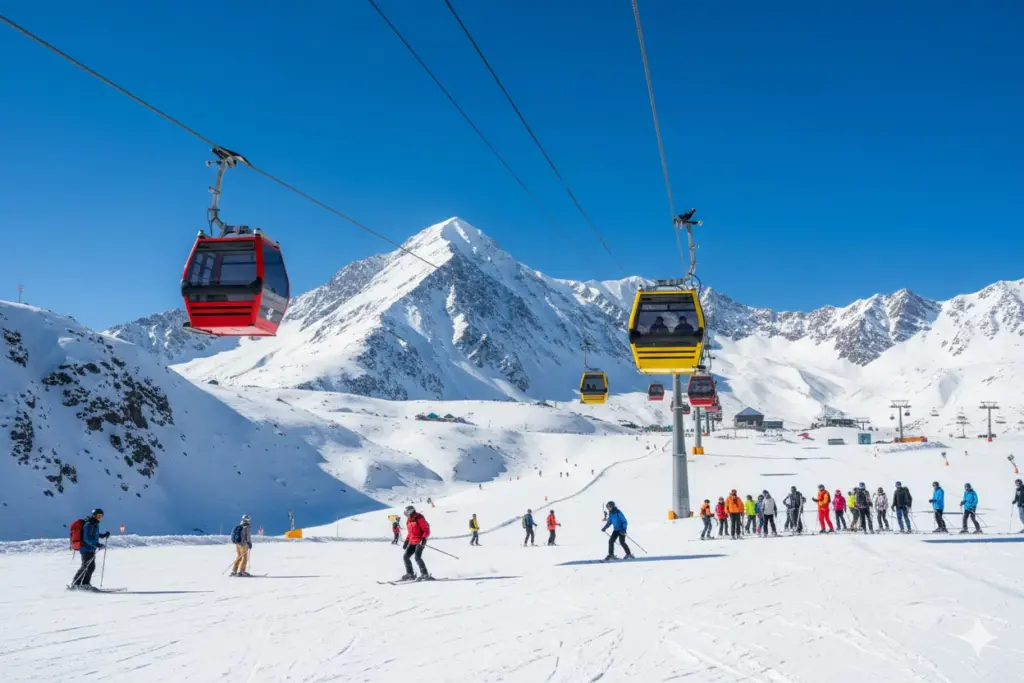
- Gulmarg: the most reliable, with heavy snowfall and a ski season from late December to March.
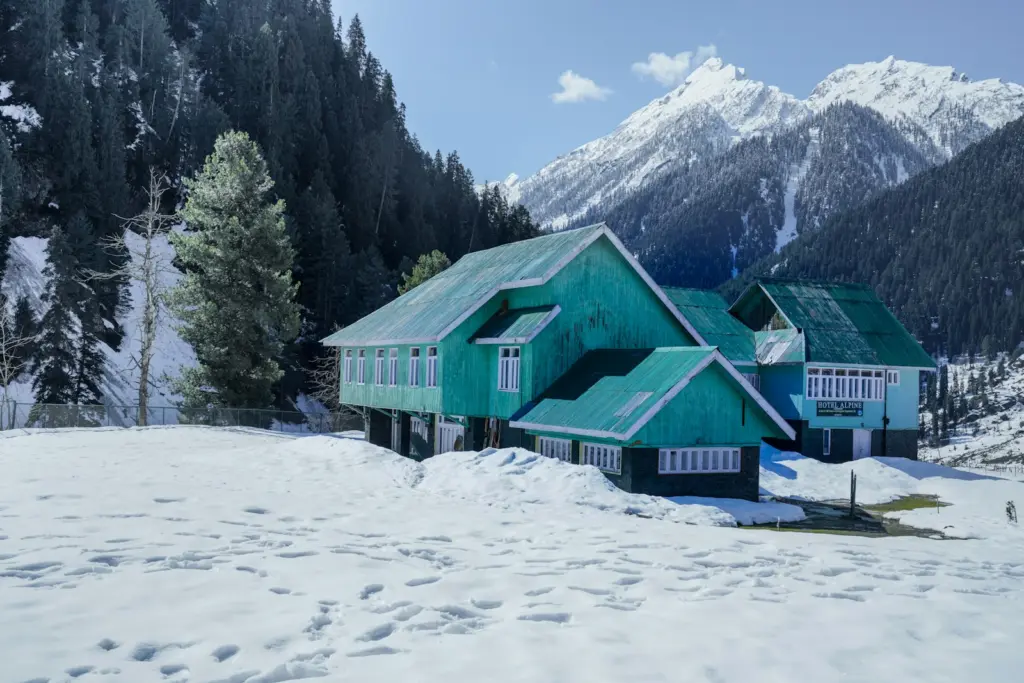
- Pahalgam: snowy in winter; Chandanwari often keeps snow into summer.
- Sonamarg: heavy snow; access can close in winter.
- Srinagar: occasional snowfall that may melt within days.
Snow outside winter
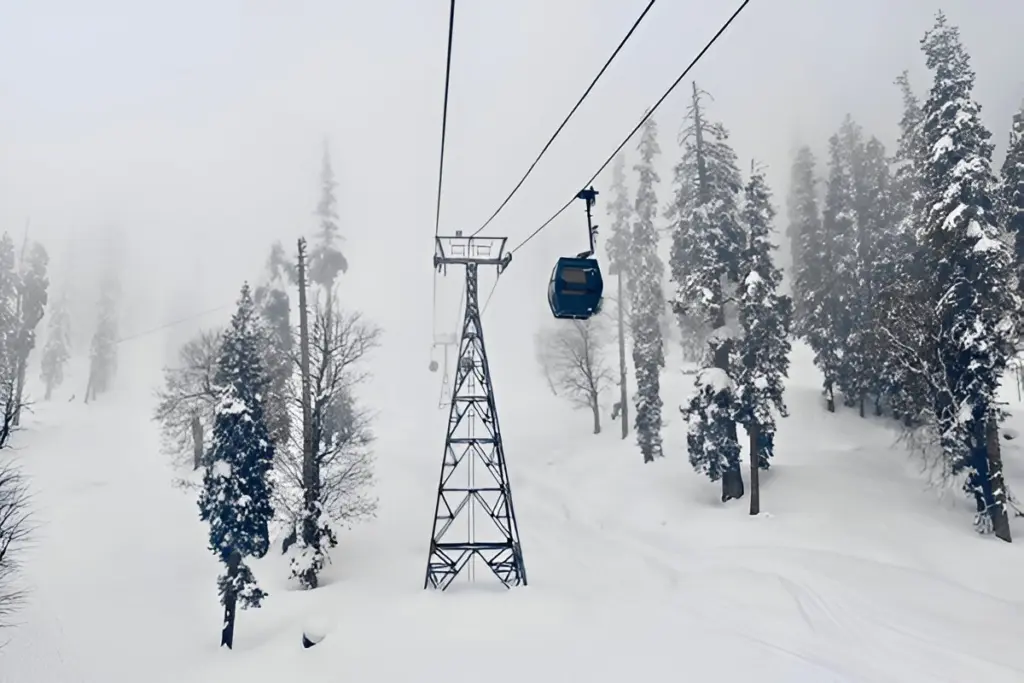
- Apharwat (Gondola Phase 2): snow often lingers into April and May.
- Chandanwari: snow patches into summer.
- Zero Point beyond Zojila: snow even in summer when the pass is open.
Planning a snow trip
- Travel from late December to February for the best chance.
- Spend at least one night in Gulmarg.
- Keep a buffer day; heavy snow can close roads and delay flights.
- Pack properly: see our Kashmir packing list.
Snow trips
See the Kashmir winter tour package and the 5-star winter snow tour. Check forecasts with the India Meteorological Department before you go, and read about Kashmir in winter.
Last updated:
About the author: Written and checked by the Travel Wiki planning team, who arrange Kashmir and Ladakh trips every week from Srinagar and Bijbihara.